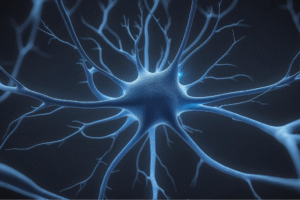
For many years, neuroscience believed that the adult brain was fixed and largely unchangeable. Today, research shows the opposite. The brain is adaptable, dynamic, and capable of change throughout life. This ability is known as neuroplasticity: the brain’s capacity to reorganize itself by forming new neural connections and modifying existing ones.
Neuroplasticity means you are not destined to repeat the same emotional patterns, stress responses, or limiting beliefs forever. With conscious awareness, the brain can learn new ways of thinking, feeling, and responding, allowing lasting emotional healing and greater well-being.
Neural pathways and emotional patterns
Every emotionally significant experience creates neural pathways in the brain. When emotions, thoughts, or behaviors are repeated, these pathways become stronger. Neuroscience describes this process simply: “Neurons that fire together wire together.”
Because the brain prioritizes survival, negative or stressful experiences tend to be remembered more vividly than positive ones. Over time, these experiences shape automatic reactions. When a familiar trigger appears, the brain responds instantly, following previously established neural circuits.
These automatic pathways influence emotional regulation, stress responses, habits, fears, and relationship patterns. As they strengthen, they become the brain’s default setting, creating the sensation that life is happening on autopilot rather than by conscious choice.
The emotional brain and the stress response
The amygdala, part of the limbic system, is responsible for detecting potential threats. When it senses danger, real or perceived, it activates the sympathetic nervous system, producing fight, flight, or freeze responses.
In individuals who have experienced emotional insecurity, trauma, abandonment, or chronic stress, the amygdala may become overactive. This can result in anxiety, hypervigilance, emotional reactivity, and difficulty feeling safe even in calm environments.
Through neuroplasticity, these stress-based circuits can be retrained and regulated.
Awareness and attention as tools for brain change
Studies in neuroscience show that focused attention and conscious awareness are key drivers of neuroplastic change. When attention is directed toward calm states, safe bodily sensations, regulated emotions, or positive mental imagery, the prefrontal cortex becomes more active.
Over time, this activation helps regulate the amygdala, strengthening neural networks associated with emotional balance, inner safety, resilience, and mental clarity. The brain learns that calm and presence are safe states.
Hypnosis, meditation, and increased brain plasticity
Research using neuroimaging demonstrates that practices such as hypnosis and meditation place the brain in a state of deep relaxation. During these states, activity in the amygdala decreases while communication between emotional and rational brain regions improves.
This creates a neurological environment of heightened plasticity, where the brain becomes more receptive to learning, emotional healing, and new associations. In these states, the nervous system can safely update old patterns and integrate new responses.
Memory reconsolidation and emotional healing
When a memory is revisited with awareness, emotional regulation, and a sense of safety, it temporarily becomes malleable. This process, known as memory reconsolidation, allows the brain to update the emotional meaning associated with past experiences. The event itself is not erased, but its emotional charge can be transformed. As a result, new neural pathways are created, supporting healthier emotional responses and greater inner stability.
Lasting change does not occur through intellectual understanding alone, but through repeated experiences that combine emotion, attention, and safety. This is how the nervous system learns calm, trust, and self-regulation.
Your brain becomes what you practice
Just as repetition teaches a child to write, repeated thoughts and emotional states strengthen specific neural pathways. What you practice internally becomes familiar, and what is familiar feels true. Developing awareness allows you to interrupt automatic reactions, pause, and consciously choose a different response. In doing so, you reclaim agency over your emotional life.
Modern neuroscience confirms what ancient wisdom has long suggested: transformation is possible. By consciously engaging neuroplasticity, you can create new inner pathways that support calm, emotional well-being, and a more conscious way of living.